The old church
REF: IND_025
Ref: IND_025
GRADE II* LISTED ELIZABETHAN CHURCH IN STOKE NEWINGTON
About
There has been a place of worship on this site since before the Domesday Book. The oldest bricks in the building date to 1563, making the Old Church not only the sole surviving Elizabethan church in London, but one of the oldest buildings in the capital still in active use. That continuity, over four and a half centuries of it, is written into every surface.
The church owes its current form to two significant interventions. The first was the original 1563 commission by Sir William Patten, lord of the manor of Stoke Newington, who funded the construction of a new church encasing an earlier medieval structure. The plaque above the south porch still reads ‘1563 Ab Alto’, from above. The second was a sensitive restoration between 1827 and 1829 by Charles Barry, the architect who would later design the Houses of Parliament, who increased the church’s capacity while preserving its Tudor proportions and inserting what Historic England describes as very fine furnishings in the chancel. The original 16th century brickwork and Y-tracery windows of the south aisle remain visible to this day.
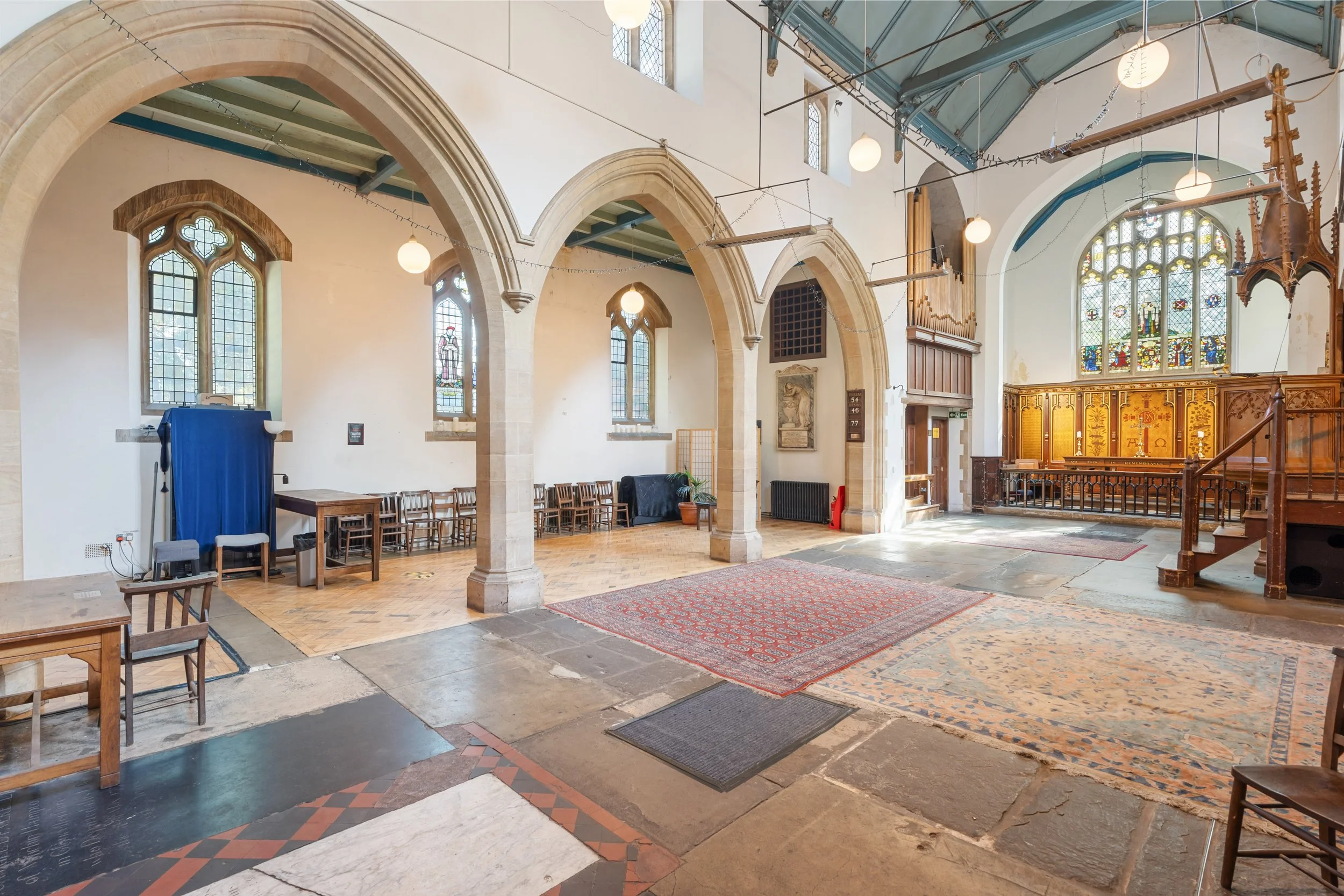
The interior was thoughtfully adapted in 2013, toilets and a kitchen were installed, making the space genuinely production-ready without compromising its character. Original wooden pews survive along one side, while the main body of the church is clear and dressable. Stunning stained glass windows flood the space with colour and atmosphere. Entry is available via the main road frontage or a secondary side door.
Beyond the church walls, the enclosed graveyard is a location in its own right, atmospheric, overgrown in places, and carrying considerable historical weight. Among those buried here are James Stephen, William Wilberforce’s brother-in-law and a chief architect of the anti-slavery bill, and Anna Barbauld, poet and proto-feminist. The churchyard would also have been familiar to Edgar Allan Poe, who attended school yards away on Church Street between 1818 and 1820 and later described Stoke Newington as a dream like and spirit-soothing place in his short story William Wilson. That atmosphere has not entirely left.
The Old Church sits opposite the Victorian St Mary’s Church designed by George Gilbert Scott , the two buildings together forming what Historic England describes as a striking visual representation of the demographic changes from the 16th to the 19th century. For productions requiring authentic period exterior streetscape, the immediate environment is exceptionally rich.
Key Features
• Grade II* listed, the only surviving Elizabethan church in London, with brickwork dating to 1563
• Interior adapted in 2013 for flexible use, toilets, kitchen, and clear main space ready to dress
• Original wooden pews surviving on one side; stunning stained glass throughout
• Enclosed atmospheric graveyard with significant historical monuments
• South facade with original Tudor brickwork, hood moulded porch and Y-tracery windows
• Exterior streetscape of exceptional period depth — adjacent to George Gilbert Scott’s Victorian St Mary’s
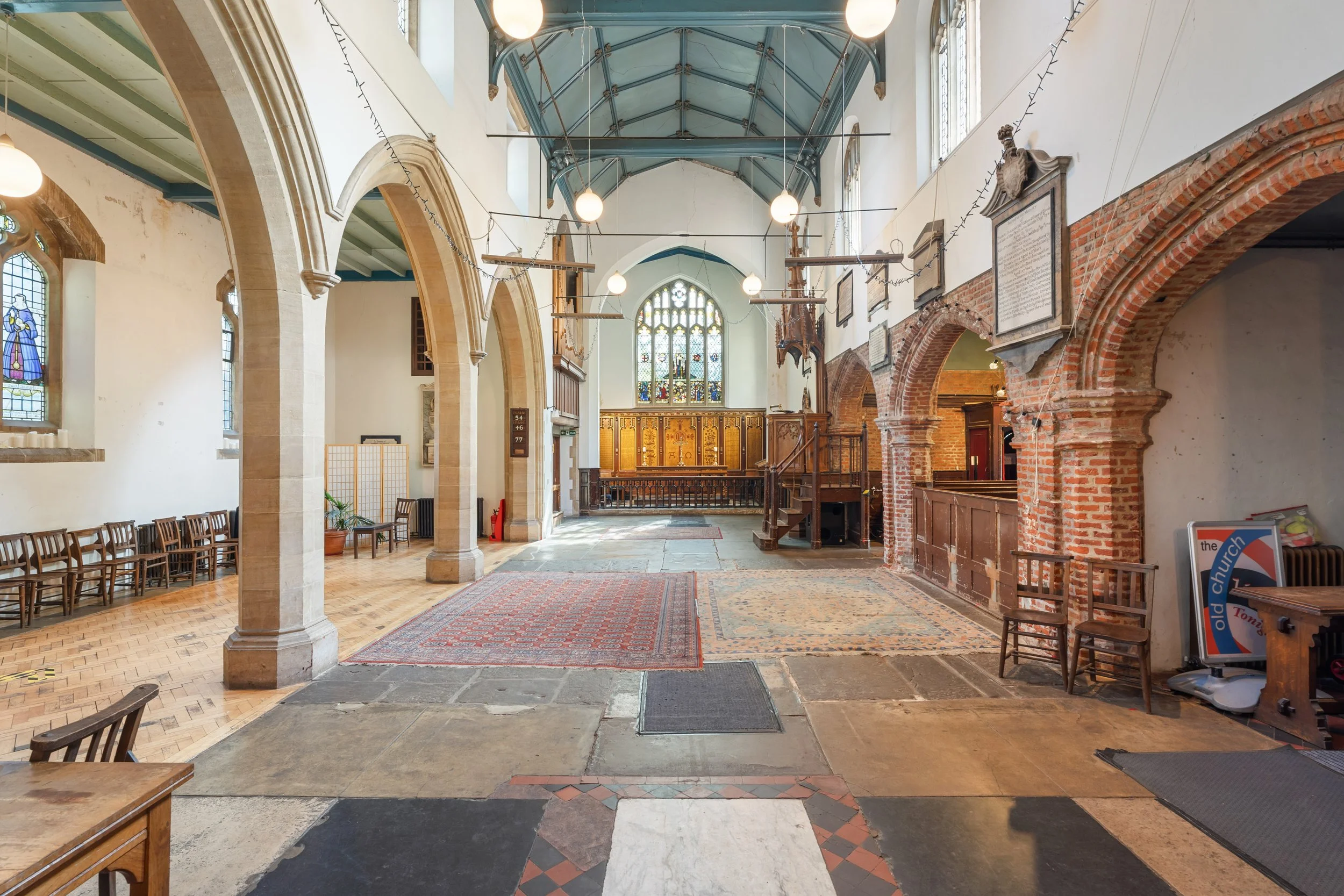
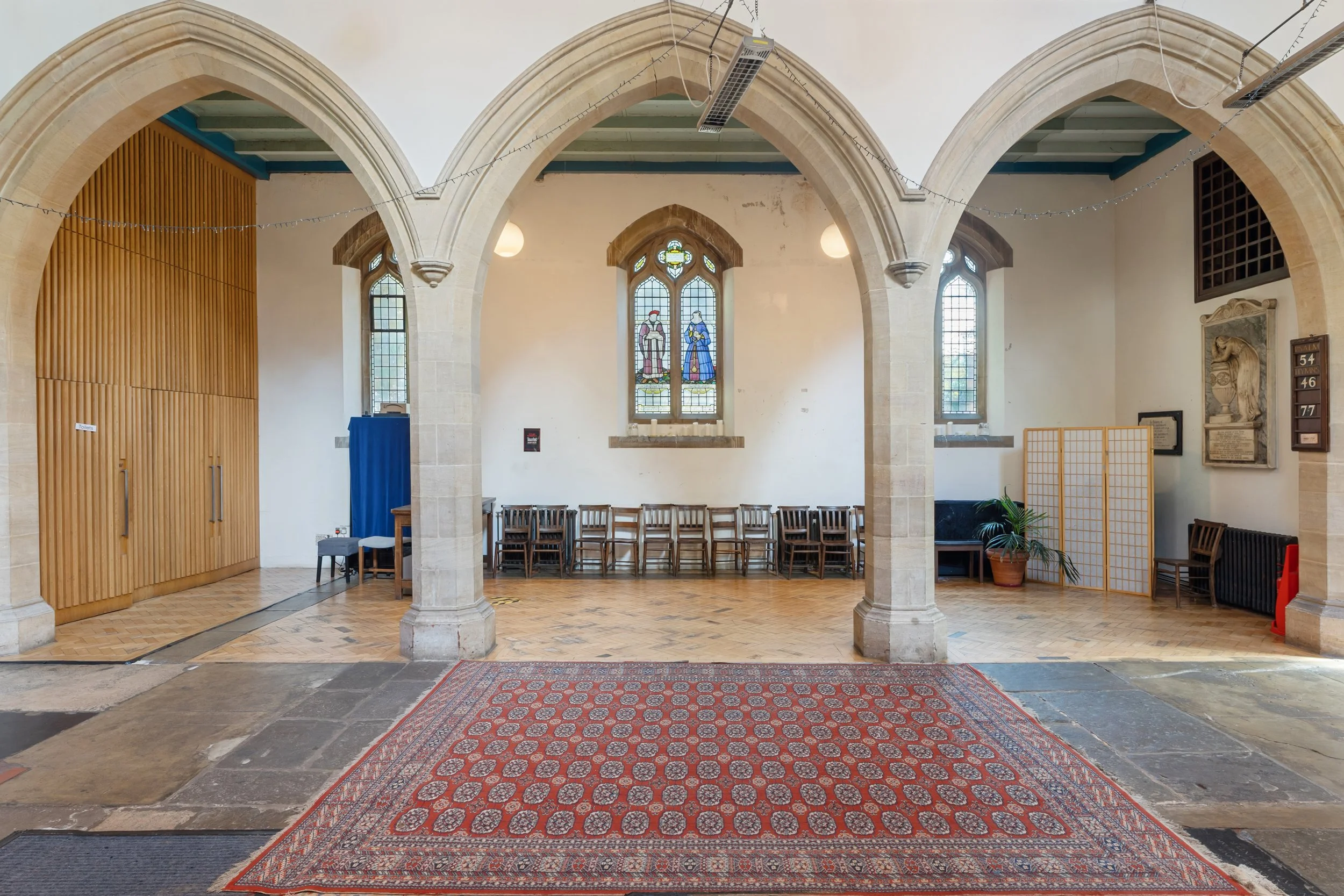
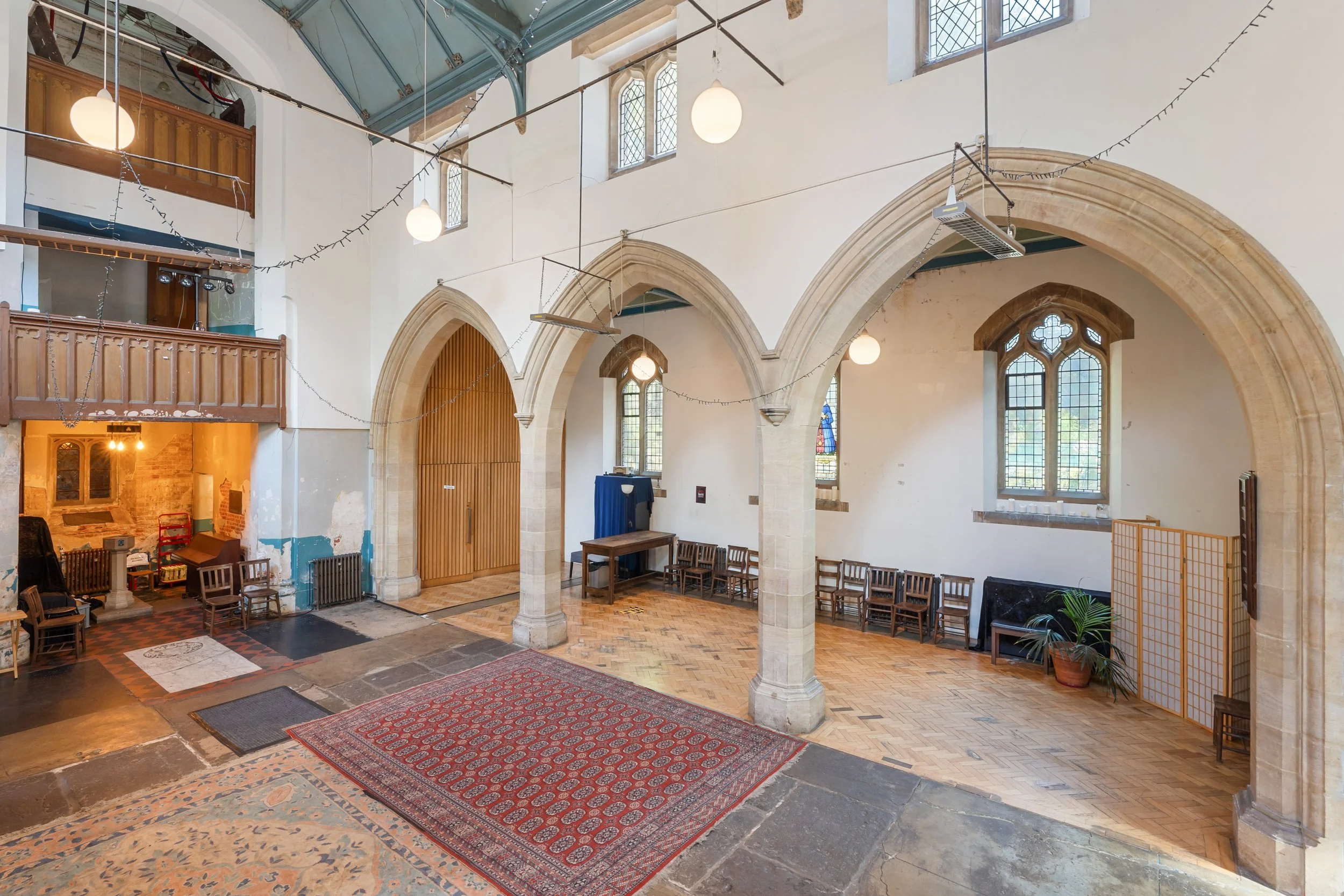
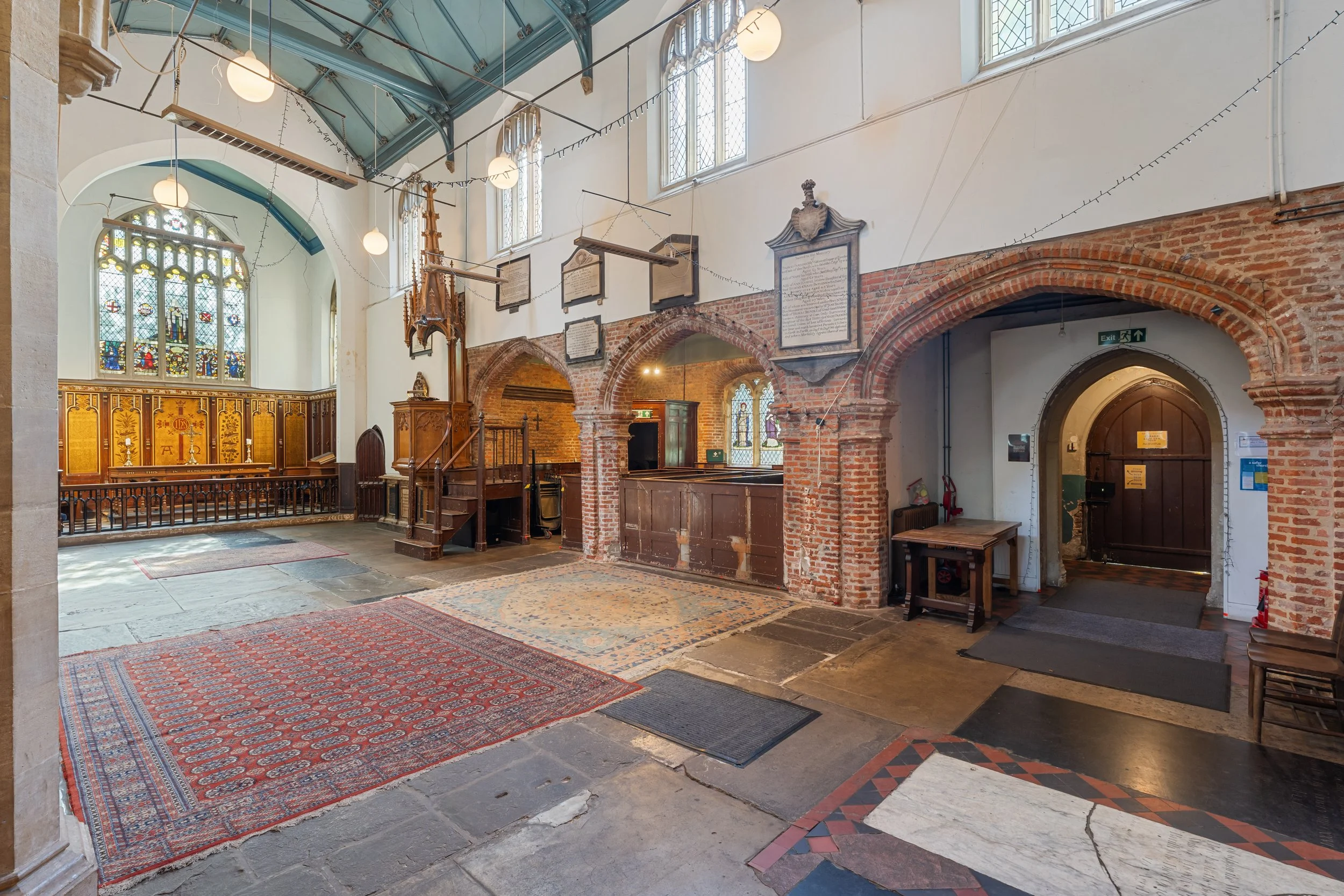
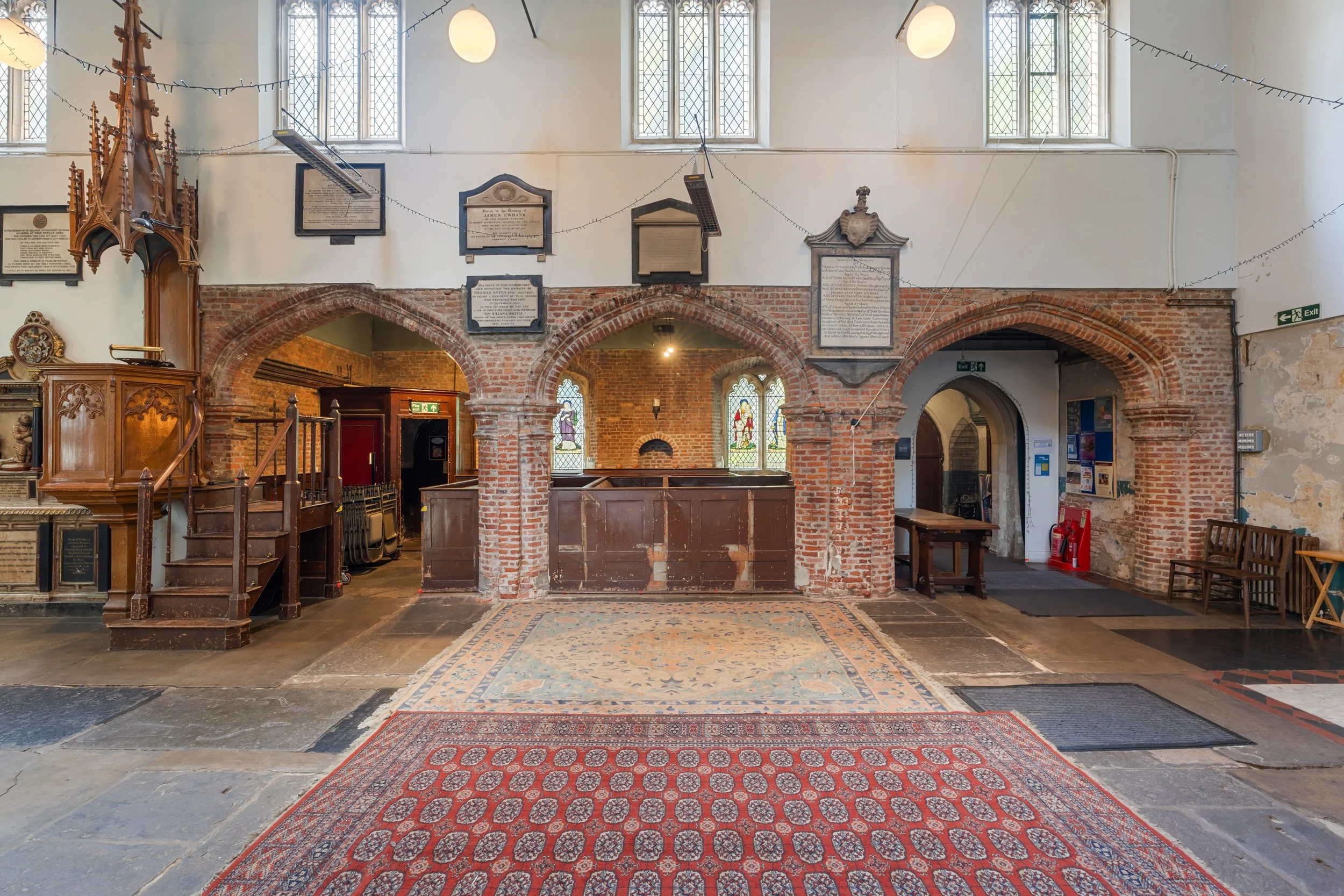
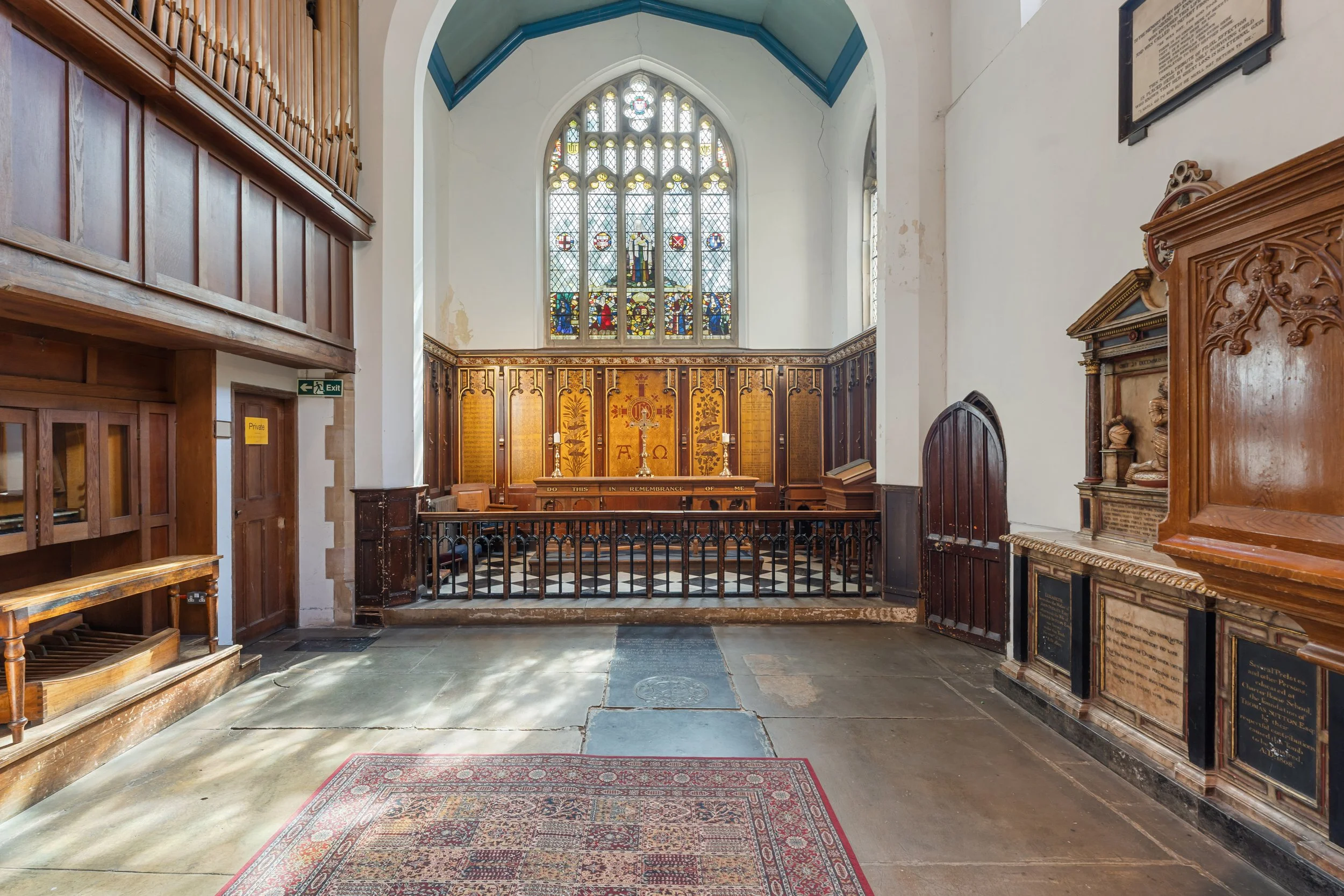
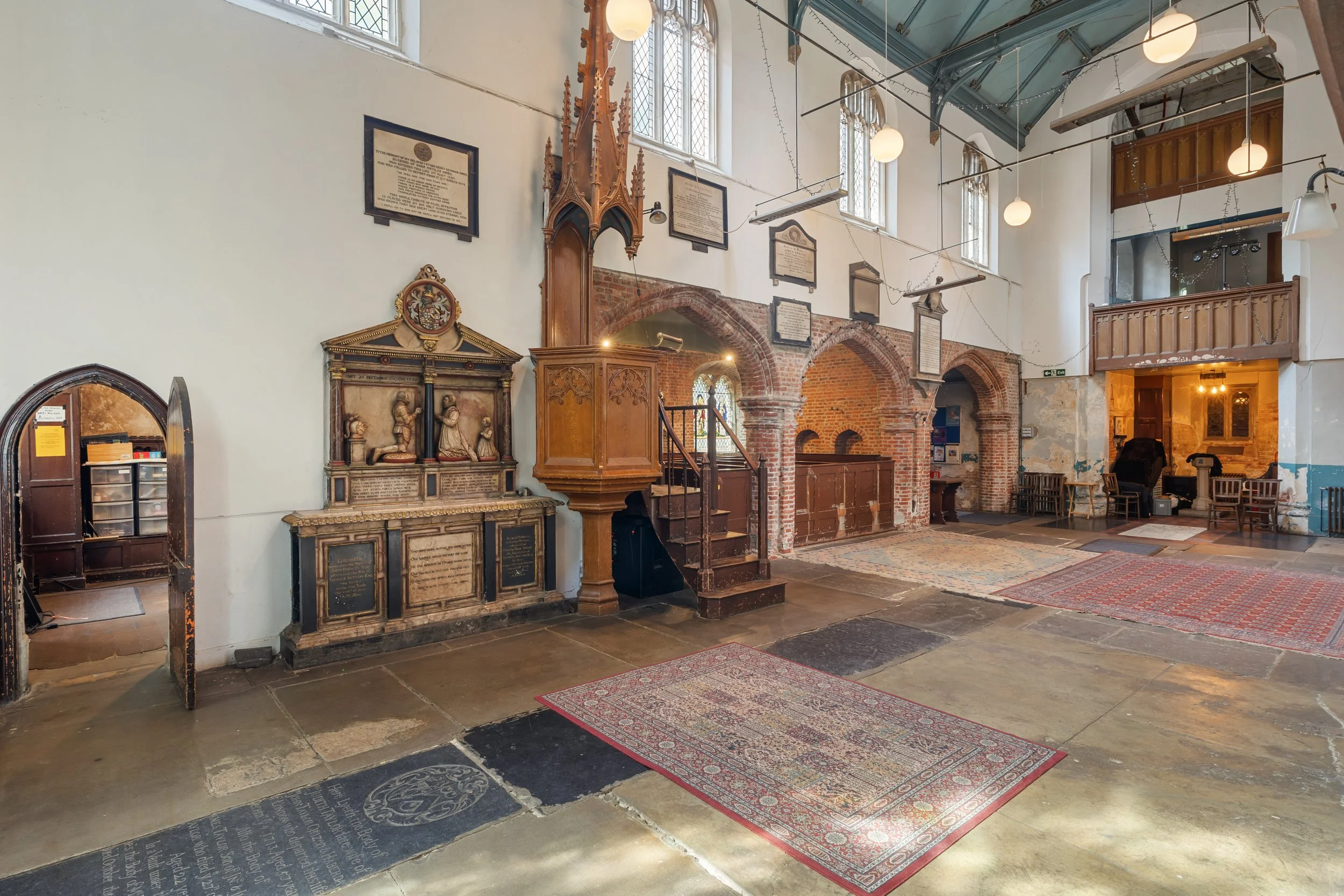
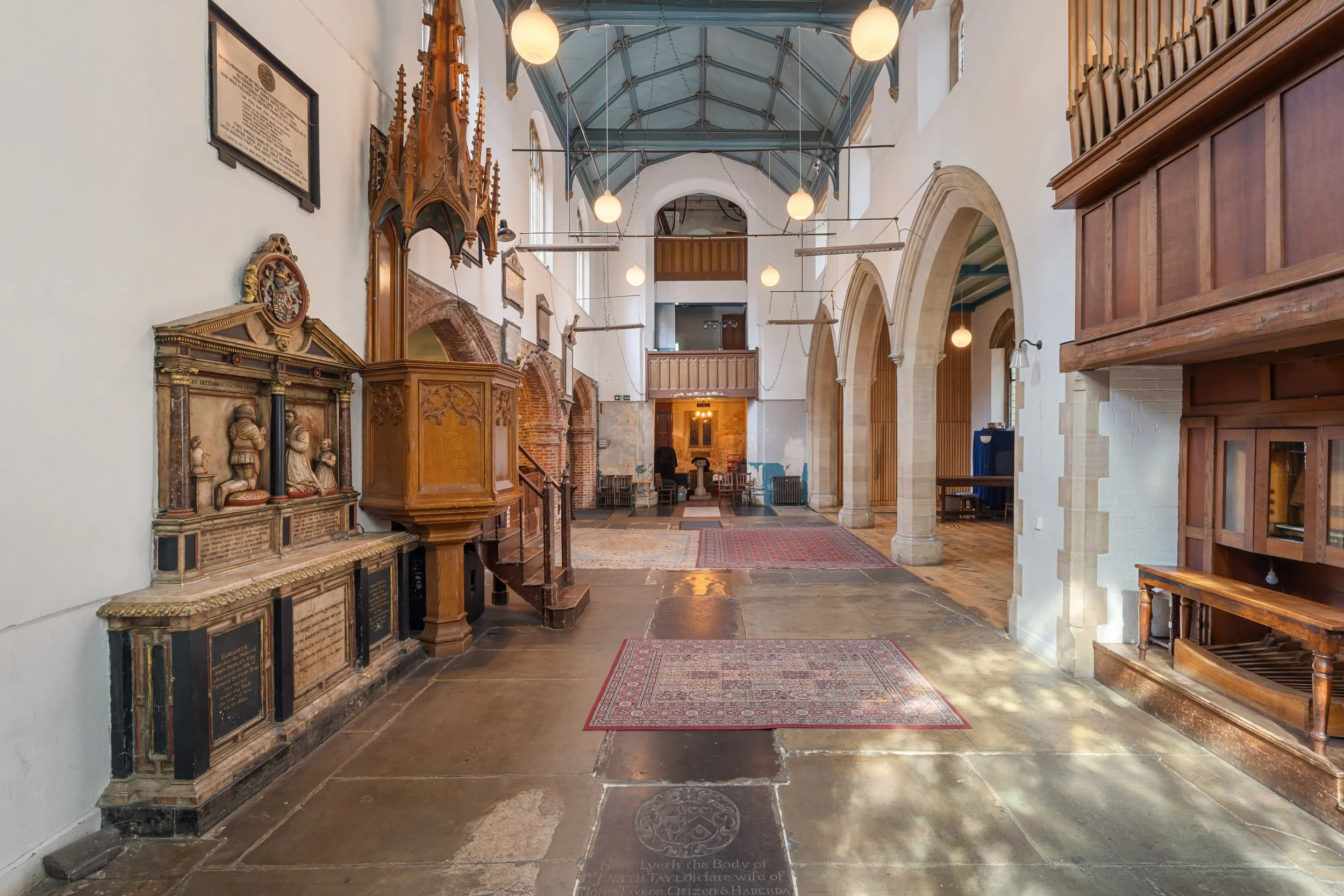
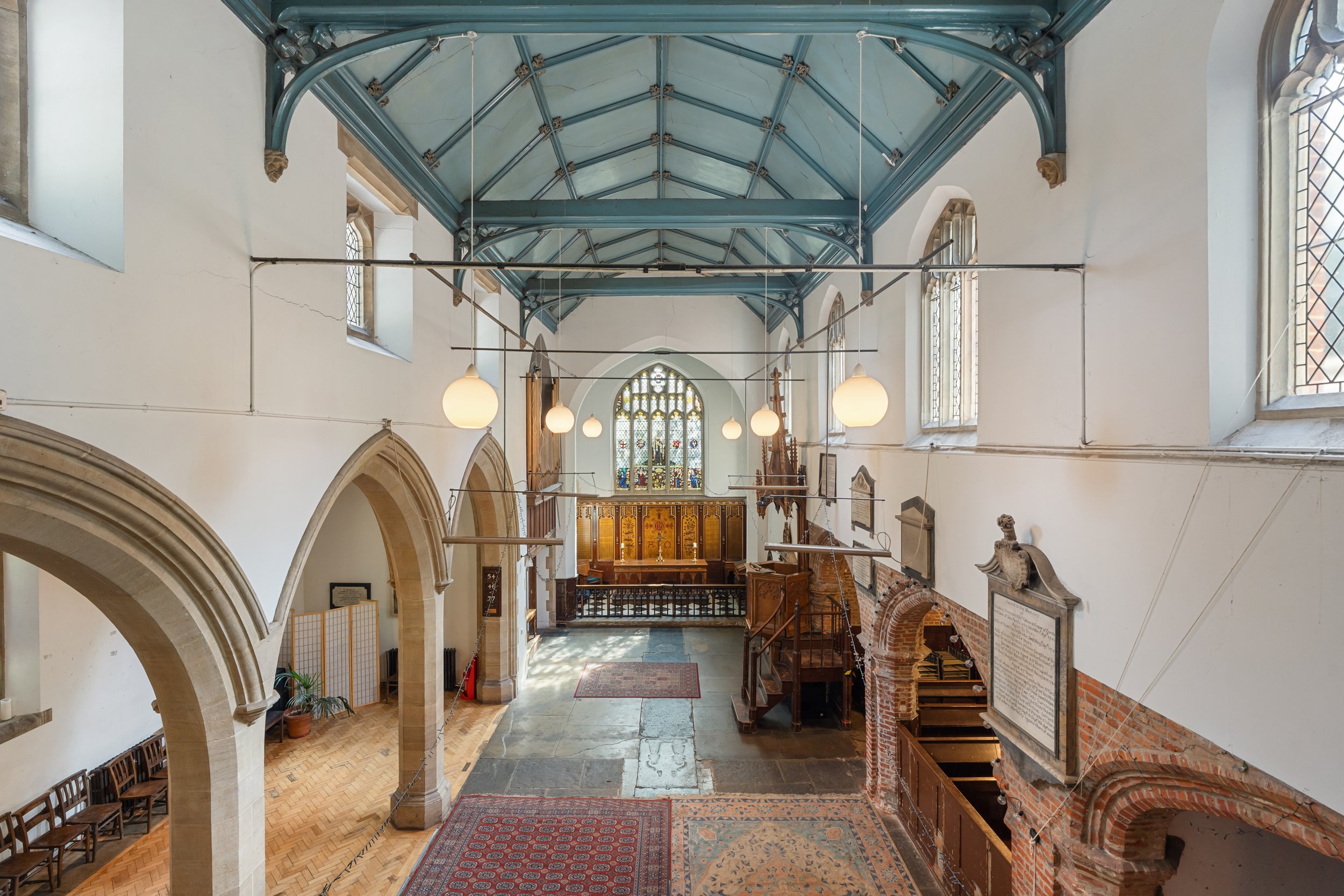
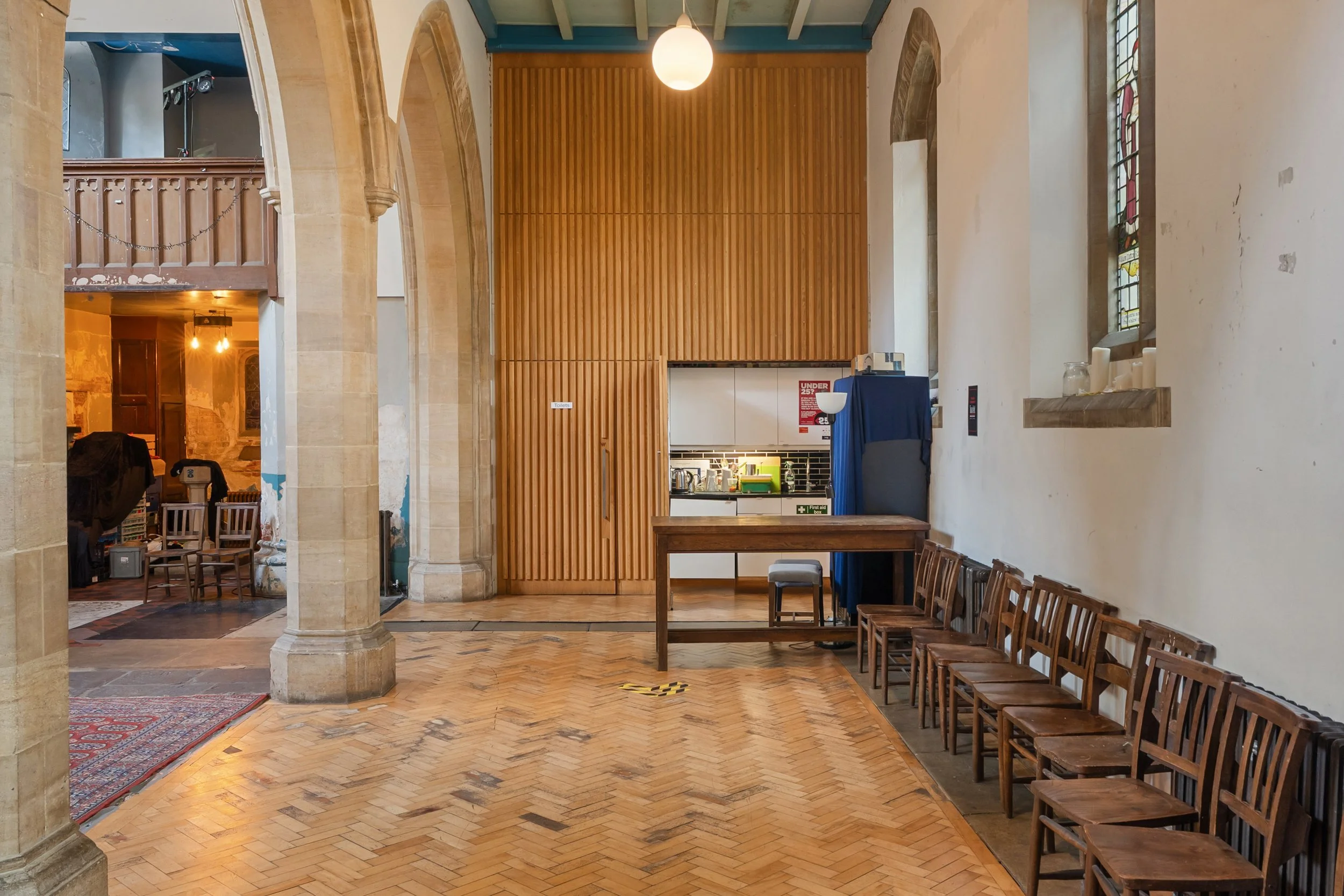
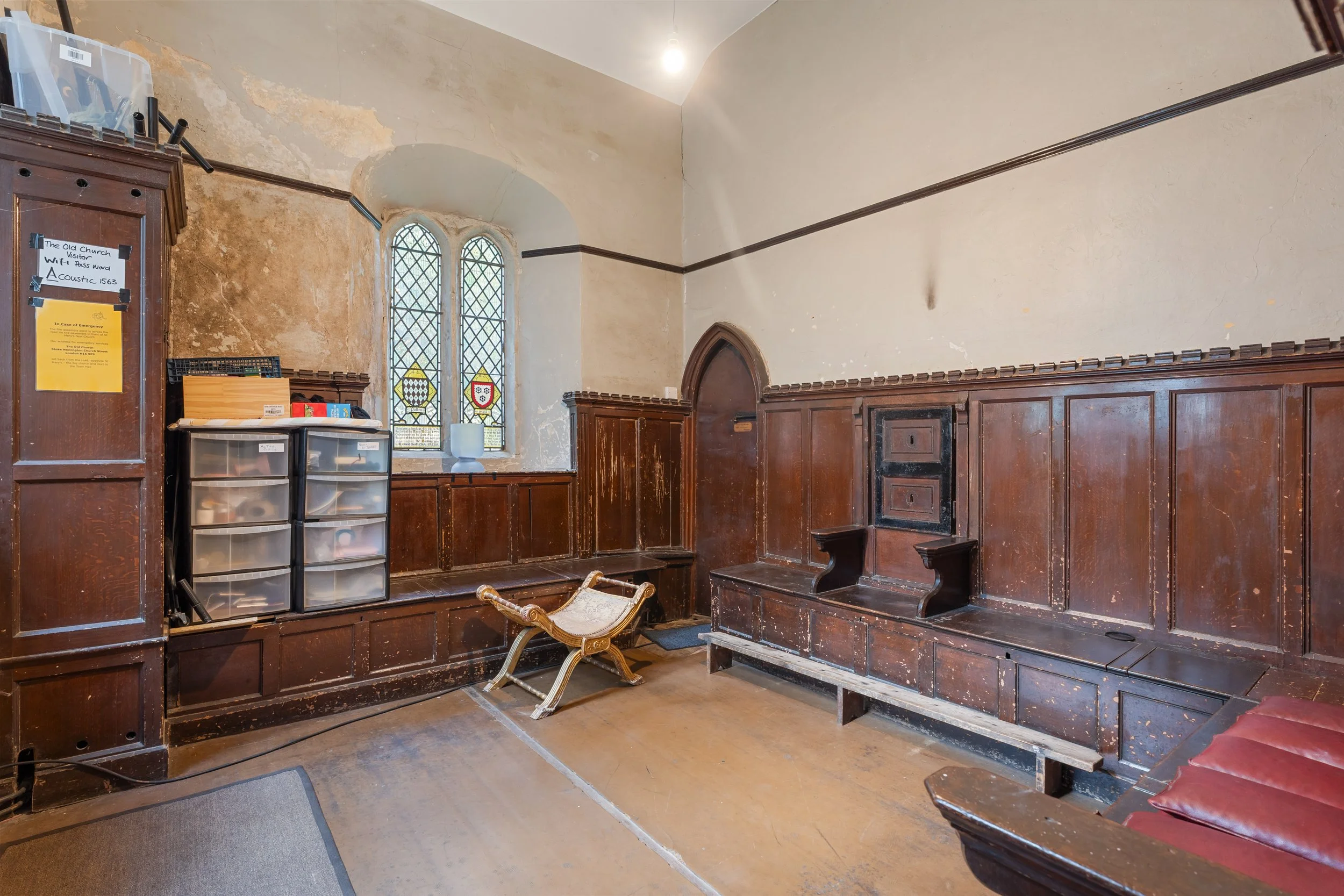
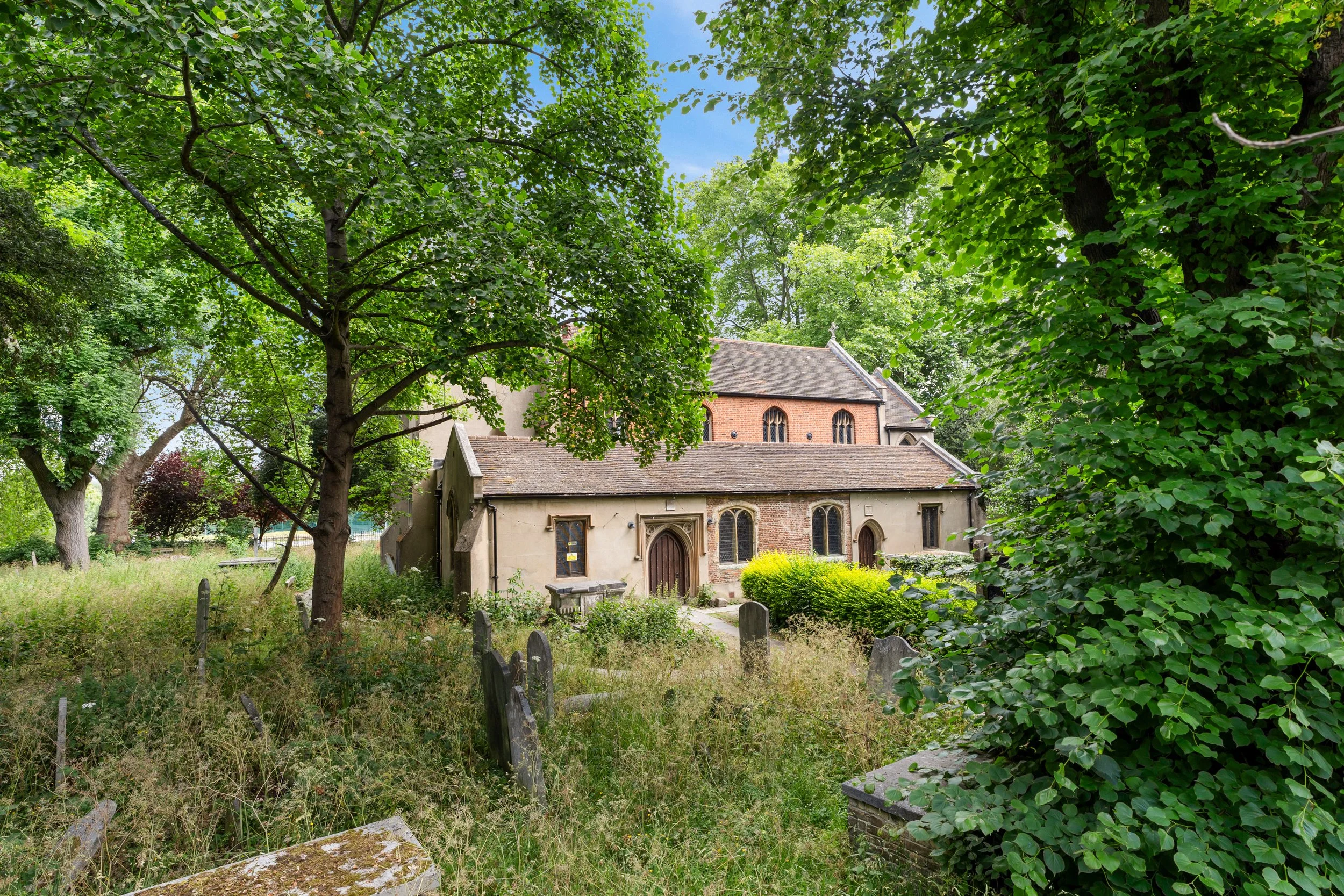
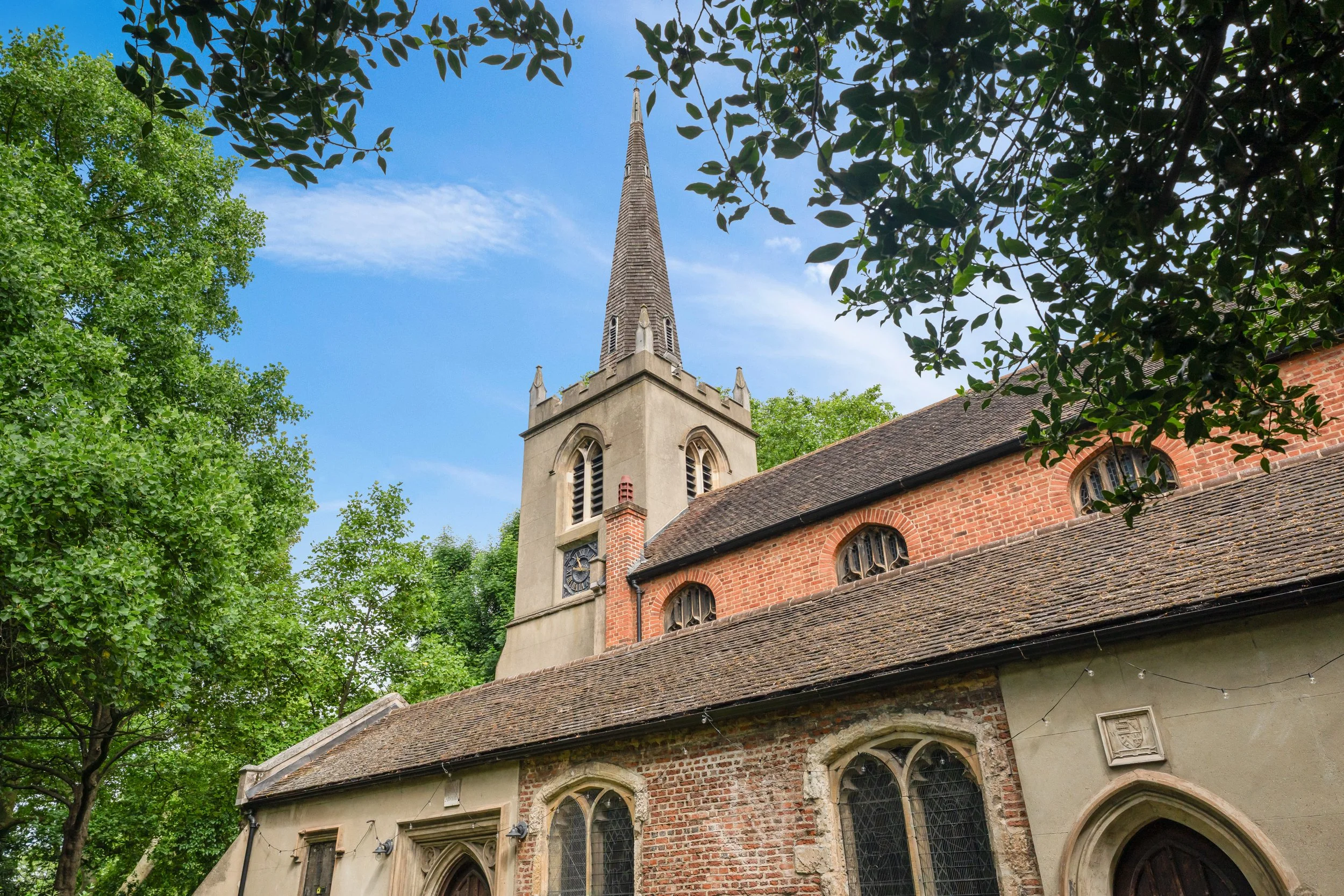
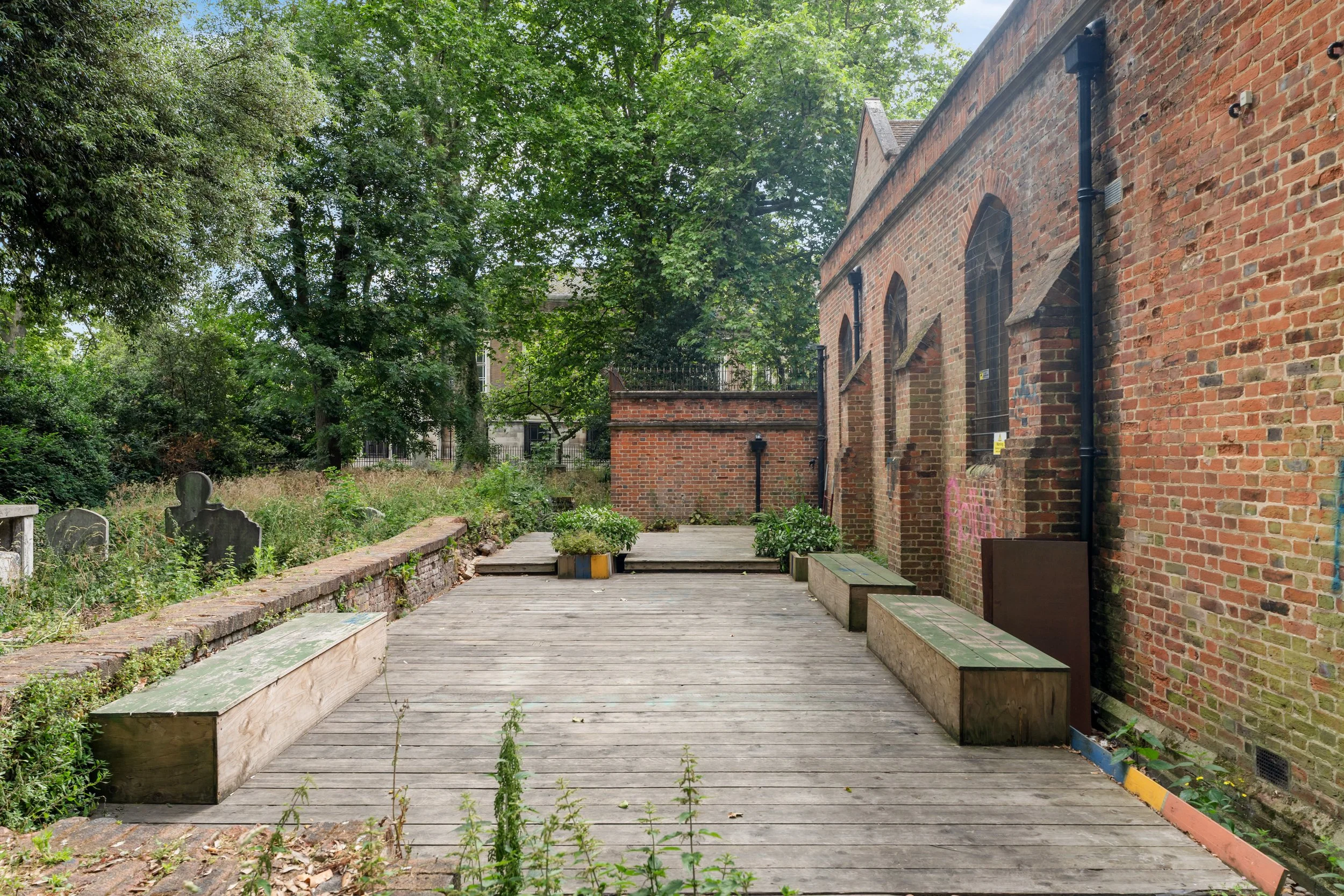
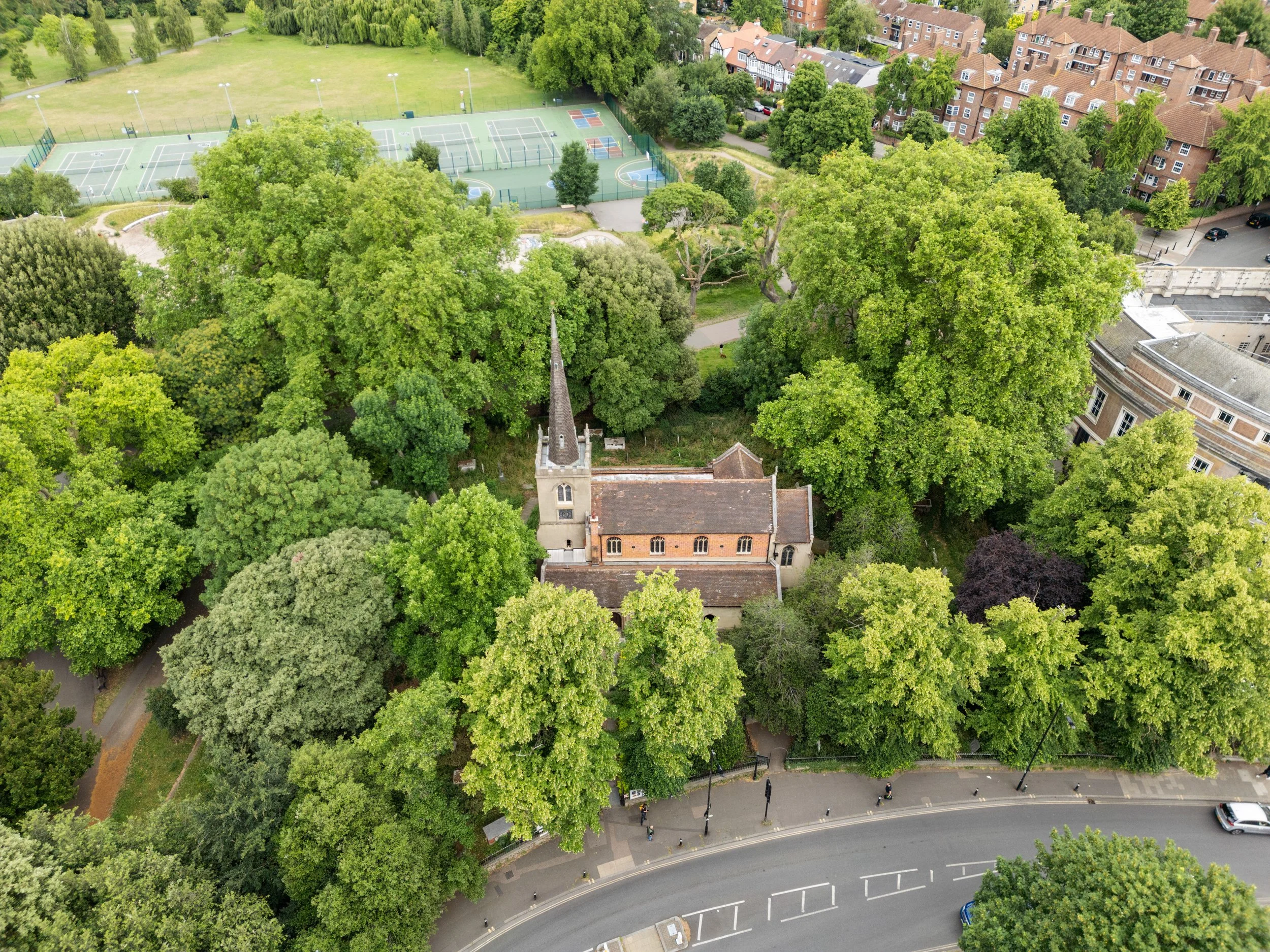
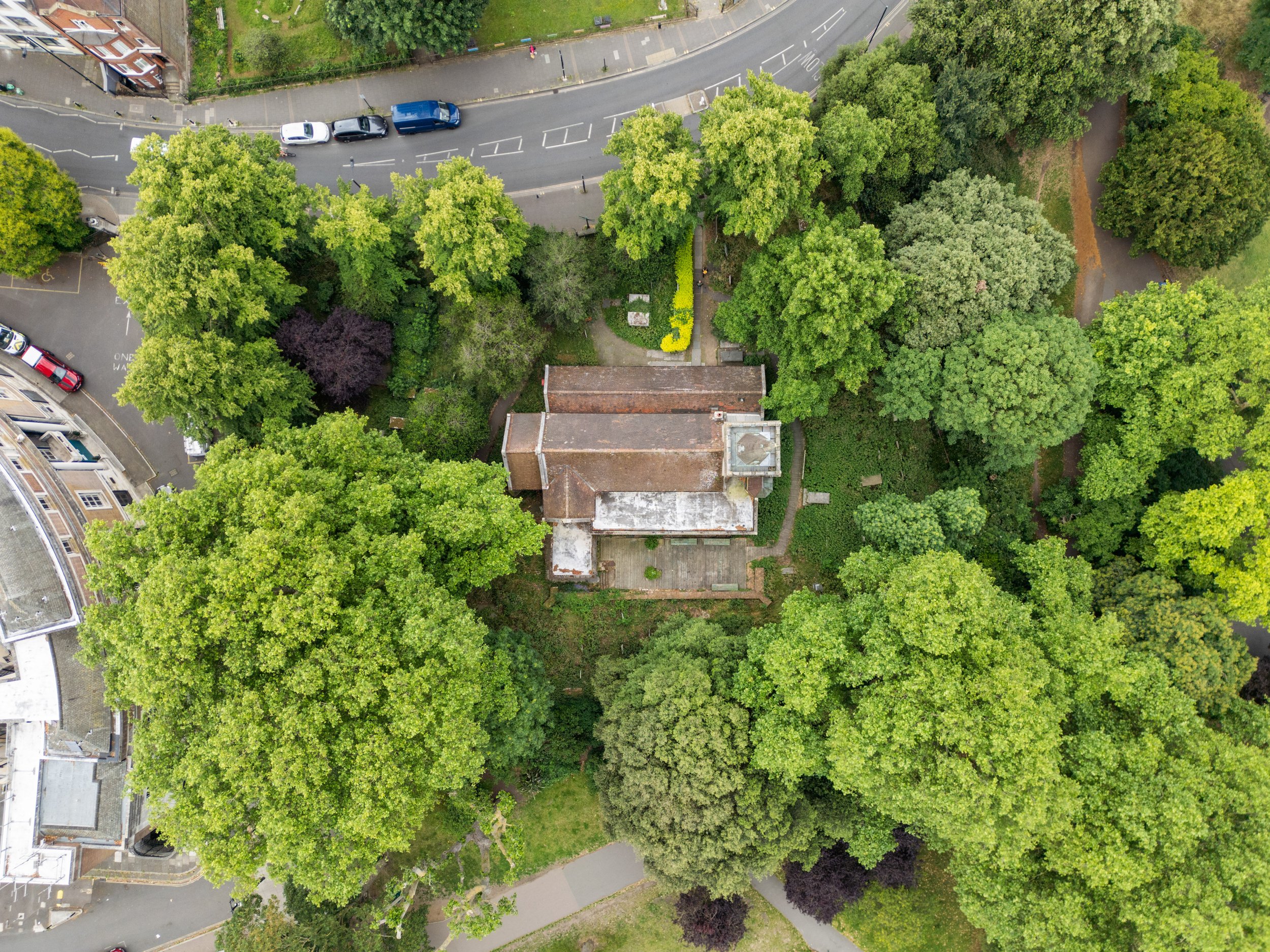
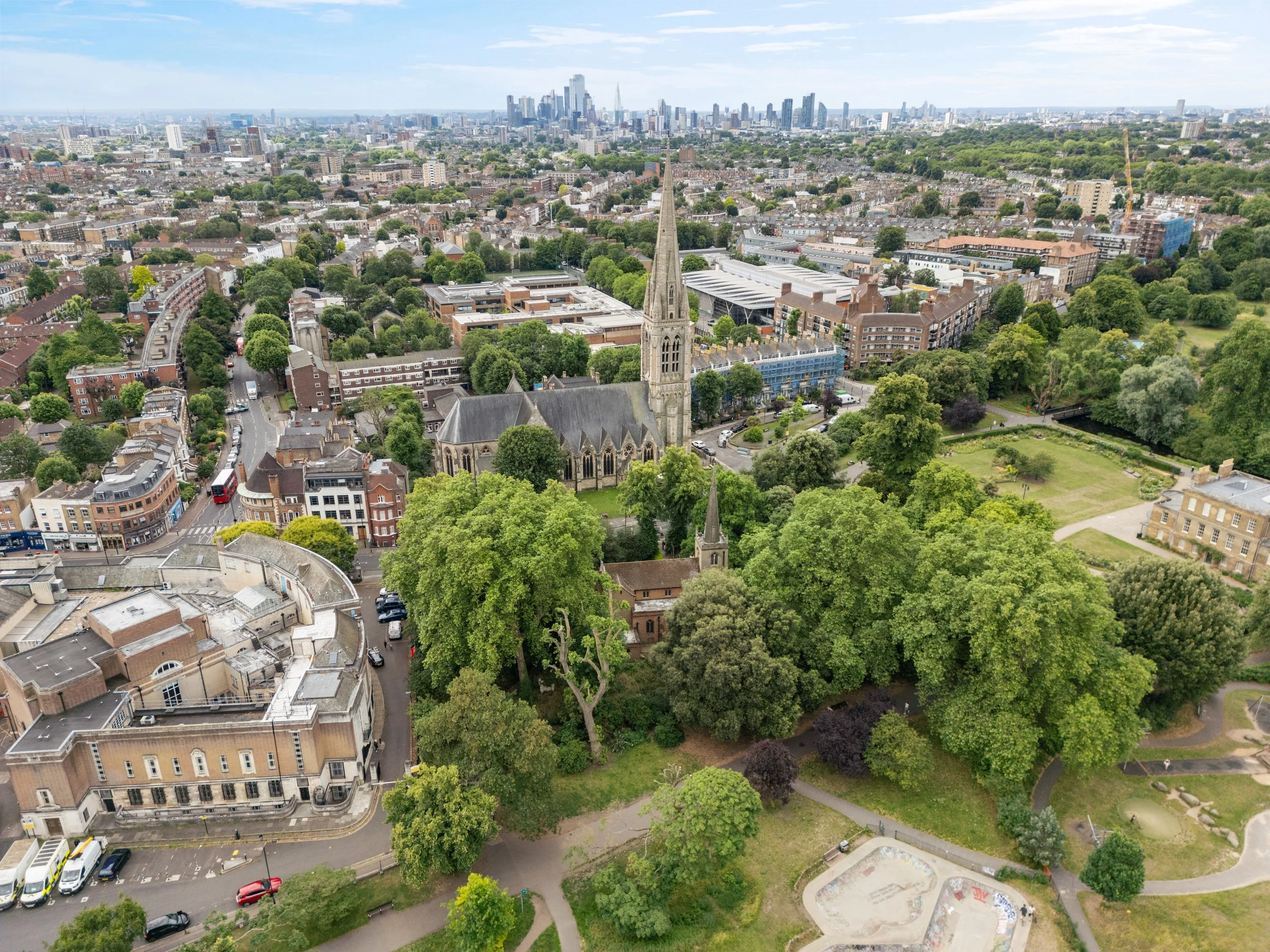
Image credit: Location
CAPACITY
Enquire
ACCESS
Enquire
STYLE
Elizabethan ecclesiastical with Tudor fabric and later Gothic interventions
Grade II* listed heritage building
SIZE
Enquire
painting & decorating
N/A
LOCATION
North London
DOWNLOADS
FEATURES
Original brickwork dating to 1563
South façade with hood moulded porch and Y‑tracery windows
Stunning historic stained glass throughout
Original wooden pews along one side
Clear main nave space ready to dress
Enclosed graveyard with atmospheric historic monuments
Adjacent Victorian streetscape opposite George Gilbert Scott’s St Mary’s Church
SPACES
Main church nave and chancel
Side aisles
Kitchen
Toilets
Enclosed graveyard
SERVICES
N/A
PARKING
Street parking only
OTHER
Disabled access available
Standard power supply on site
Interior adapted in 2013 for flexible use without loss of historic character